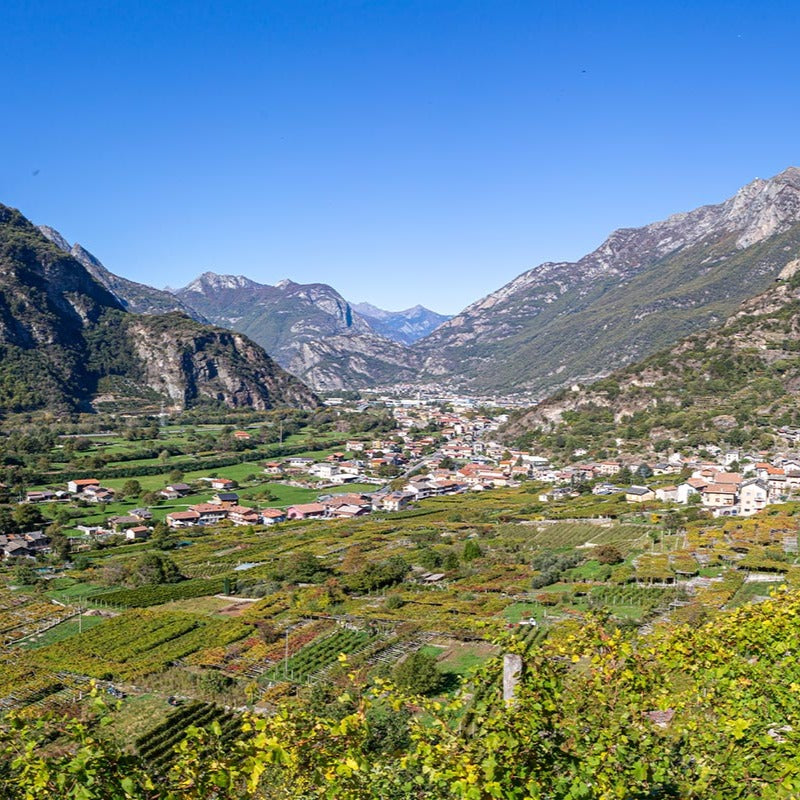
The Art of Appassimento Method
 Image: Harvest in Valpolicella
A winemaking process that’s about patience, precision, and tradition: the Appassimento Method is a time-honoured technique that means “withering” in Italian. Invented in Valpolicella, in the Veneto region, this labour-intensive process has been perfected over centuries to create some of Italy’s most treasured wines: Amarone and Ripasso.
The first step is the careful selection of the finest grapes, handpicked with precision, as only the healthiest bunches can be used.
For Amarone , the grapes are spread out on shallow trays to dry for 3 to 4 months in well-ventilated rooms. Throughout this time, temperature and humidity are carefully controlled, concentrating the flavours, sugars, tannins, and acidity to produce bold, full-bodied wines with rich notes of dried cherry, cranberry, and spice.
Ripasso, on the other hand, is made by re-fermenting young Valpolicella wine on the leftover Amarone grape skins. This “passage” over the dried grapes adds body, depth, and complexity, with softer tannins and vibrant fruit character. It’s a clever way to extract more intensity and create a wine that bridges freshness and richness.

Image: Shallow trays and a glass of Amarone
This long, demanding process is why Amarone and Ripasso are so precious and revered. They embody the skill, dedication, and centuries of tradition behind their creation.
Discover our Valpolicella Collection!